


NASA Moves Forward With Campaign to Return Mars Samples to Earth
NASA and ESA (European Space Agency) are moving to the next phase in a campaign to deepen understanding of whether life ever existed on Mars and, in turn, better understand the origins of life on Earth.
NASA has approved the Mars Sample Return (MSR) multi-mission effort to advance to Phase A, preparing to bring the first pristine samples from Mars back to Earth. During this phase, the program will mature critical technologies and make critical design decisions as well as assess industry partnerships.
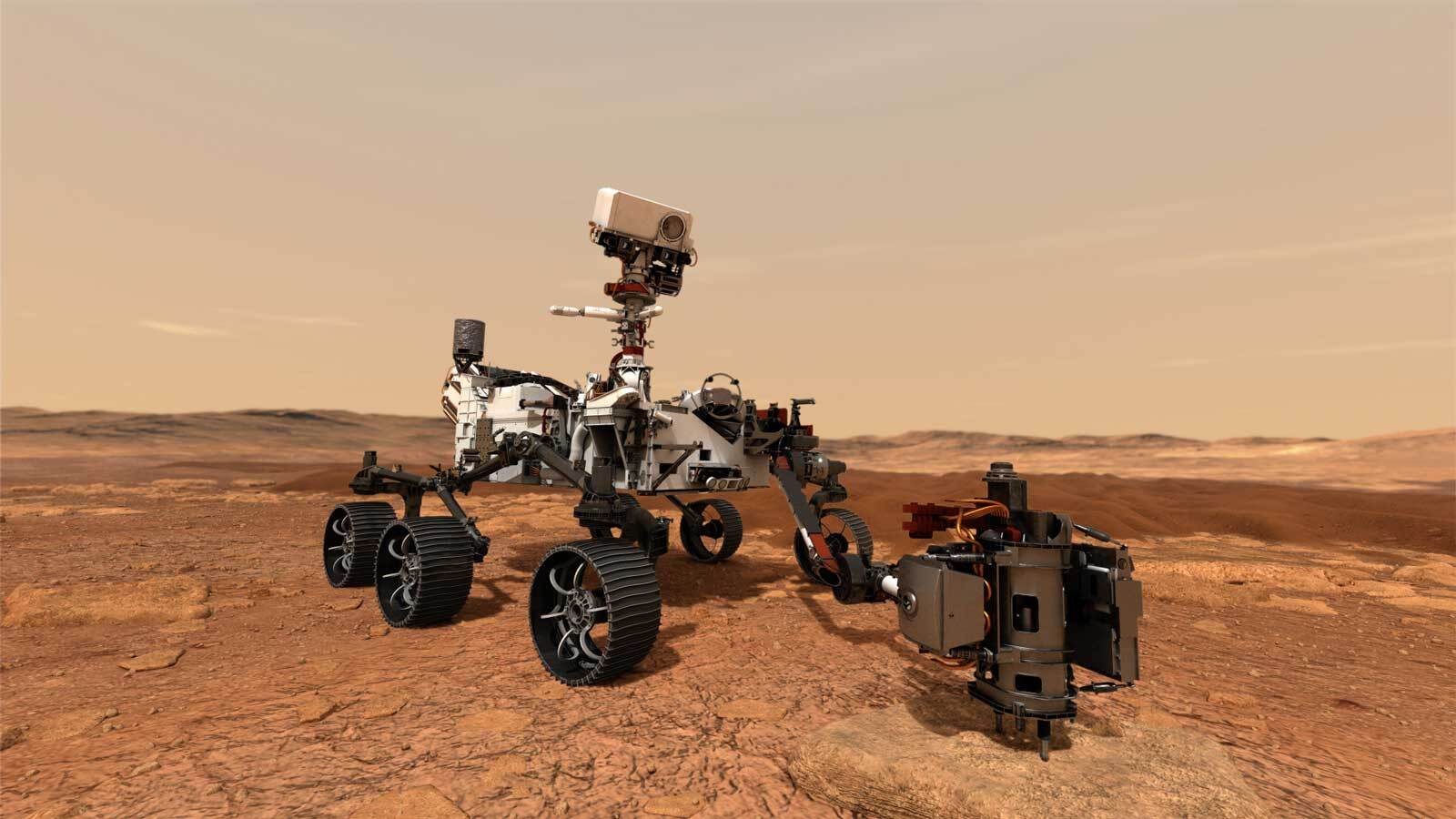
The first endeavor of this campaign is in progress. NASA's mara 2020 Perseverance rover launched in July and is set to land on the Red Planet Feb. 18, 2021. The car-size rover will search for signs of ancient microbial life. Using a coring drill at the end of its robotic arm, Perseverance has the capability to gather samples of Martian rock and regolith (broken rock and dust) and hermetically seal them in collection tubes. Perseverance can deposit these samples at designated locations on the Martian surface or store them internally.
In the next steps of the MSR campaign, NASA and ESA will provide respective components for a Sample Retrieval Lander mission and an Earth Return Orbiter mission, with launches planned in the latter half of this decade. The Sample Retrieval Lander mission will deliver a Sample Fetch Rover and Mars Ascent Vehicle to the surface of Mars. The rover will retrieve the samples and transport them to the lander. The Perseverance rover also provides a potential capability for delivery of collection tubes to the lander. A robotic arm on the lander will transfer the samples into a container embedded in the nose of the Mars Ascent Vehicle.
Once sealed, the system will prepare for the first launch from another planet. In Mars orbit, the Earth Return Orbiter will rendezvous with and capture the sealed sample container, and then place the samples in an additional high-reliability containment capsule for return to Earth in the early 2030s.
"Returning samples of Mars to Earth has been a goal of planetary scientists since the early days of the space age, and the successful completion of this MSR key decision point is an important next step in transforming this goal into reality," said Thomas Zurbuchen, associate administrator for science at NASA Headquarters in Washington. "MSR is a complex campaign, and it encapsulates the very essence of pioneering space exploration – pushing the boundaries of what's capable and, in so doing, furthering our understanding of our place in the universe."
Bringing Mars samples back to Earth will allow scientists across the world to examine the specimens using sophisticated instruments too large and too complex to send to Mars, and will allow future generations to study them using technology not yet available. Curating the samples on Earth will allow the science community to test new theories and models as they are developed, much as the Apollo samples returned from the Moon have done for decades.
The MSR campaign also
advances NASA's efforts to send humans to the Red Planet. It will involve landing heavier spacecraft on the Martian surface than ever before. It would also involve launch from and rendezvous operations around another planet for the first time. With the Artemis program, NASA will land the first woman and next man on the lunar surface in 2024 to prepare for humanity's next giant leap – sending astronauts to Mars.
"MSR will foster significant engineering advances for humanity and advance technologies needed to successfully realize the first round-trip mission to another planet," said Jeff Gramling, Mars Sample Return program director at NASA Headquarters. "The scientific advances offered by pristine Martian samples through MSR are unprecedented, and this mission will contribute to NASA's eventual goal of sending humans to Mars."
NASA established a to evaluate its early concepts for partnership with ESA to return the first samples from another planet. The board's released in October found the NASA convened a second group of independent experts, the MSR Standing Review Board (SRB), to provide ongoing assessment of the MSR program. The SRB also recommended the program move into Phase A.
"Beginning the formulation work of Phase A is a momentous step for our team, albeit one of several to come," said Bobby Braun, Mars Sample Return program manager at NASA's Jet Propulsion Laboratory in Southern California, which leads development for NASA's MSR effort. "These reviews strengthened our plan forward and this milestone signals creation of a tangible approach for MSR built upon the extraordinary capabilities of the NASA centers, our ESA partners, and industry."
ESA is providing the Earth Return Orbiter, Sample Fetch Rover, and the lander's robotic arm to the partnership. NASA is providing the Sample Retrieval Lander, Mars Ascent Vehicle, and the Capture/Containment and Return System payload on the Earth Return Orbiter. Multiple NASA Centers are involved in this effort, contributing in their areas of strength.
For more information about the agency's activities on Mars, visit:
TRANSLATED In BANGLA
মঙ্গলগ্রহে পৃথিবীর নমুনা ফিরিয়ে আনার জন্যনাসা প্রচারণা চালিয়ে এগিয়ে চলেছেওবিজেমঙ্গলগ্রহে জীবন কখনও বিদ্যমানছিল কিনা এবং এর পরিবর্তে, পৃথিবীতেজীবনের উত্সকে আরও ভালভাবে বোঝার জন্য আরওগভীরভাবে উপলব্ধি করার অভিযানে
মঙ্গলগ্রহে জীবন কখনও বিদ্যমান ছিল কিনাএবং এর পরিবর্তে, পৃথিবীতে জীবনেরউত্সকে আরও ভালভাবে বোঝার জন্য আরওগভীরভাবে উপলব্ধি করার অভিযানে নাসা এবংইএসএ (ইউরোপীয় স্পেস এজেন্সি) পরবর্তী পর্যায়েচলেছে।মঙ্গল থেকে পৃথিবীতে প্রথম আদি নমুনাআনার প্রস্তুতি নিয়ে নাসা ফেজ এ-তেএগিয়ে যাওয়ার জন্য মঙ্গল স্যাম্পল রিটার্ন(এমএসআর) মাল্টি-মিশন প্রয়াসকে অনুমোদন দিয়েছে।এই পর্যায়ে, প্রোগ্রামটি সমালোচনামূলকপ্রযুক্তি পরিপক্ক করবে এবং সমালোচনামূলকনকশার সিদ্ধান্ত নেবে পাশাপাশি শিল্পেরঅংশীদারিত্বের মূল্যায়ন করবে।এই প্রচারের প্রথম প্রচেষ্টা চলছে। জুলাইমাসে নাসার মঙ্গল গ্রহ 2020 অধ্যবসায়রোভার চালু হয়েছিল এবং 18 ফেব্রুয়ারি, 2021-এরেড প্ল্যানেটে অবতরণ করতে চলেছে carগাড়ী-আকারের রোভারটি প্রাচীন অণুজীবেরলক্ষণগুলির সন্ধান করবে। রোবোটিক আর্মের শেষে একটিকরিং ড্রিল ব্যবহার করে, অধ্যবসায়মার্টিয়ান রক এবং রেগোলিথ (ভাঙা শিলা এবং ধূলিকণা)এর নমুনাগুলি সংগ্রহ এবং সংগ্রহেরটিউবগুলিতে হারমেটিকভাবে সিল করার ক্ষমতারাখে। অধ্যবসায় এই নমুনাগুলি মার্টিয়ানপৃষ্ঠের নির্ধারিত স্থানে জমা করতে বাসেগুলি অভ্যন্তরীণভাবে সঞ্চয় করতে পারে।
এমএসআর প্রচারের পরবর্তী পদক্ষেপে,নাসা এবং ইএসএ এই দশকের শেষার্ধেপরিকল্পনা করা একটি নমুনা পুনরুদ্ধারল্যান্ডার মিশন এবং একটি আর্থরিটার্ন অরবিটার মিশনের জন্য সংশ্লিষ্টউপাদান সরবরাহ করবে। নমুনাপুনরুদ্ধার ল্যান্ডার মিশন একটি নমুনাফ্যাচ রোভার এবং মঙ্গল গ্রহ অ্যাসেন্টযানটি মঙ্গল গ্রহে উপস্থাপন করবে।রোভার নমুনাগুলি পুনরুদ্ধার করবে এবংল্যান্ডারে নিয়ে যাবে transportঅধ্যবসায় রোভার ল্যান্ডারেসংগ্রহের টিউব সরবরাহের জন্য একটিসম্ভাব্য ক্ষমতাও সরবরাহ করে। ল্যান্ডারেরএকটি রোবোটিক বাহু নমুনাগুলিমার্সেন্ট অ্যাসেন্ট যানবাহনের নাকেএমবেড করা পাত্রে স্থানান্তর করবে।একবার সীলমোহর করা হলে, সিস্টেমটি অন্যগ্রহ থেকে প্রথম লঞ্চের জন্য প্রস্তুতকরবে। মঙ্গল গ্রহের কক্ষপথে, আর্থ রিটার্নঅরবিটারটি সিল করা নমুনা ধারকটির সাথেউপস্থাপিত হবে এবং ক্যাপচার করবে এবংতারপরে 2030 এর দশকের গোড়ার দিকেপৃথিবীতে প্রত্যাবর্তনের জন্য নমুনাগুলিকে একটিঅতিরিক্ত উচ্চ-নির্ভরযোগ্যতার ধারক ক্যাপসুলেরাখবে।
"পৃথিবীতে মঙ্গল গ্রহের নমুনা ফিরিয়ে দেওয়াগ্রহ বিজ্ঞানীদের একটি লক্ষ্য ছিলস্থান যুগের প্রথম দিন থেকেই,এবং এটির সফল সমাপ্তিওয়াশিংটনের নাসার সদর দফতরের বিজ্ঞানেরসহযোগী প্রশাসক টমাস জুরবুচেন বলেছেন,এমএসআর মূল সিদ্ধান্ত পয়েন্টএই লক্ষ্যটিকে বাস্তবে রূপান্তরিতকরার জন্য একটি গুরুত্বপূর্ণপরবর্তী পদক্ষেপ। "এমএসআর একটিজটিল প্রচার, এবং এটি অগ্রণী স্থানঅনুসন্ধানের মূল অংশকে আবদ্ধ করে- কী সক্ষম এবং এরকমের সীমানা,মহাবিশ্বে আমাদের অবস্থান সম্পর্কেআমাদের উপলব্ধি আরও বাড়িয়েতোলে ""পৃথিবীতে মঙ্গল গ্রহের নমুনা ফিরিয়েআনার ফলে বিশ্বজুড়ে বিজ্ঞানীরা মঙ্গলে প্রেরণেরজন্য অত্যাধুনিক ও অতিজটিল সরঞ্জাম ব্যবহার করে নমুনাগুলি পরীক্ষাকরতে পারবেন এবং ভবিষ্যতে প্রজন্মকেএখনও প্রযুক্তিটি ব্যবহার করে তাদের অধ্যয়নকরার অনুমতি দেবে না যা এখনও পাওয়াযায় নি। পৃথিবীতে নমুনাগুলি সংশোধনকরা বিজ্ঞান সম্প্রদায়কে নতুন তত্ত্বএবং মডেলগুলি বিকাশের সাথে সাথেপরীক্ষা করার অনুমতি দেবে, যেমনটি চাঁদ থেকেফিরে আসা অ্যাপোলো নমুনা কয়েক দশকধরে করেছে।
এমএসআর প্রচারও করেনমানুষকে রেড প্ল্যানেটে প্রেরণেনাসার প্রয়াসকে অগ্রসর করে। এটিআগের চেয়ে মার্টিয়ান পৃষ্ঠে ভারীমহাকাশযানের অবতরণ জড়িত। এটি প্রথমবারেরমতো অন্য গ্রহের কাছাকাছি থেকেউৎক্ষেপণ ও উত্সর্গজনিতক্রিয়াকলাপকে জড়িত করবে। আর্টেমিস প্রোগ্রামেরমাধ্যমে, নাসা 2024 সালে প্রথমনারী এবং পরবর্তী পুরুষকে চন্দ্রেরতলদেশে নামবে মানবতার পরবর্তী দৈত্যলিপ - মঙ্গল গ্রহে নভোচারী প্রেরণেরজন্য প্রস্তুত করতে।"এমএসআর মানবতার জন্যগুরুত্বপূর্ণ ইঞ্জিনিয়ারিং অগ্রগতিএবং অন্য গ্রহে প্রথম ১১ টিরাউন্ড-ট্রিপ মিশন সফলভাবে উপলব্ধিকরতেপ্রয়োজনীয় অগ্রগতি অর্জন করবে,"নাসার সদর দফতরে মার্স স্যাম্পলরিটার্ন প্রোগ্রামের পরিচালকজেফ গ্রামলিং বলেছেন।"এমএসআর এর মাধ্যমে আদিম মার্টিয়াননমুনাগুলির দ্বারাবৈজ্ঞানিক অগ্রগতি নজিরবিহীন এবং এই মিশননাসার মঙ্গল গ্রহে মানুষ প্রেরণেরলক্ষ্যে অবদান রাখবে।"
নাসা মঙ্গল গ্রহের নমুনা রিটার্ন প্রতিষ্ঠা করেছেএর আগে ইন্ডিপেন্ডেন্ট রিভিউ বোর্ডইএসএর সাথে অংশীদারিত্বের জন্য অন্য গ্রহ থেকেপ্রথম নমুনা ফিরিয়ে আনার জন্য প্রাথমিকধারণাগুলি মূল্যায়ন করার বছর। অক্টোবরেপ্রকাশিত নাসার প্রতিক্রিয়াসম্বলিত বোর্ডের প্রতিবেদনে দেখা গেছে,সংস্থাটি এখন মঙ্গল গ্রহের নমুনা ফেরত প্রচারশুরু করতে প্রস্তুত রয়েছে। এমএসআরকর্মসূচির চলমান মূল্যায়ন করারজন্য নাসা স্বতন্ত্র বিশেষজ্ঞদের, এমএসআরস্থায়ী পর্যালোচনা বোর্ডের (এসআরবি) একটিদ্বিতীয় গ্রুপ ডেকেছিল। এসআরবিও এপ্রোগ্রামটি দ্বিতীয় পর্যায়ে স্থানান্তরেরসুপারিশ করেছিল।"দক্ষিণাঞ্চলীয় ক্যালিফোর্নিয়ায় নাসারজেট প্রপালশন ল্যাবরেটরির মার্স স্যাম্পেলরিটার্ন প্রোগ্রামের ম্যানেজার ববি ব্রাউন বলেছেন,"প্রথম পর্বের সূচির কাজ শুরু করা আমাদেরদলের জন্য একটি গুরুত্বপূর্ণ পদক্ষেপ,"নাসার এমএসআর প্রচেষ্টার জন্য উন্নয়নেরনেতৃত্বদানকারী নাসার জেট প্রোপালশন ল্যাবরেটরিরমার্স স্যাম্পল রিটার্ন প্রোগ্রাম ম্যানেজারববি ব্রাউন বলেছেন। "এই পর্যালোচনাগুলি আমাদেরপরিকল্পনাকে এগিয়ে নিয়েছে এবং এই মাইলফলক নাসাকেন্দ্রগুলি, আমাদের ইএসএ অংশীদারএবং শিল্পের অসাধারণ দক্ষতার উপর নির্মিত এমএসআরেরপক্ষে একটি বাস্তব পদ্ধতির সৃষ্টিরইঙ্গিত দেয়।"
অংশীদারিত্বের জন্য ইএসএ আর্থরিটার্ন অরবিটার, স্যাম্পল ফেচ রোভারএবং ল্যান্ডারের রোবোটিকআর্ম সরবরাহ করছে। নাসা আর্থ রিটার্নঅরবিটারে নমুনা পুনরুদ্ধারল্যান্ডার, মার্স অ্যাসেন্টযানবাহন এবং ক্যাপচার / কনটেইনমেন্টএবং রিটার্ন সিস্টেমের পেডসরবরাহ করছে। একাধিক নাসা কেন্দ্রতাদের শক্তির ক্ষেত্রে অবদান রেখে এইপ্রচেষ্টায় জড়িত।মঙ্গল গ্রহে এজেন্সিটির কার্যক্রমসম্পর্কে আরও তথ্যের জন্য, দেখুন:http://www.nasa.gov/mars


Leave a Comment